
The hallway is quiet. Your name is next on the docket. In that moment, your clothes are already speaking for you.
So, what should you wear to court? The short answer: conservative, well-fitted business attire in neutral colors. Think a tailored pantsuit, a knee-length dress with a blazer, or trousers with a modest blouse, finished with closed-toe shoes and minimal jewelry. Judges notice respect, and appropriate court attire shows it before you ever speak.
This guide covers court attire for women from every angle. You will learn what to wear to a court hearing, what to wear for family court, and what to wear to traffic court, plus the dress code rules most courtrooms expect but rarely post on the door.
If you have ever asked “what do I wear to court?” and felt stuck, consider this your rulebook. Clear do’s, firm don’ts, and smart tweaks for every type of court appearance.
Dress with intention. Walk in with confidence. Let your case do the talking.
Know the rules, now see them styled. Browse our court outfit ideas for women for polished looks you can copy tonight.
Why Your Courtroom Look Speaks Volumes Before You Do
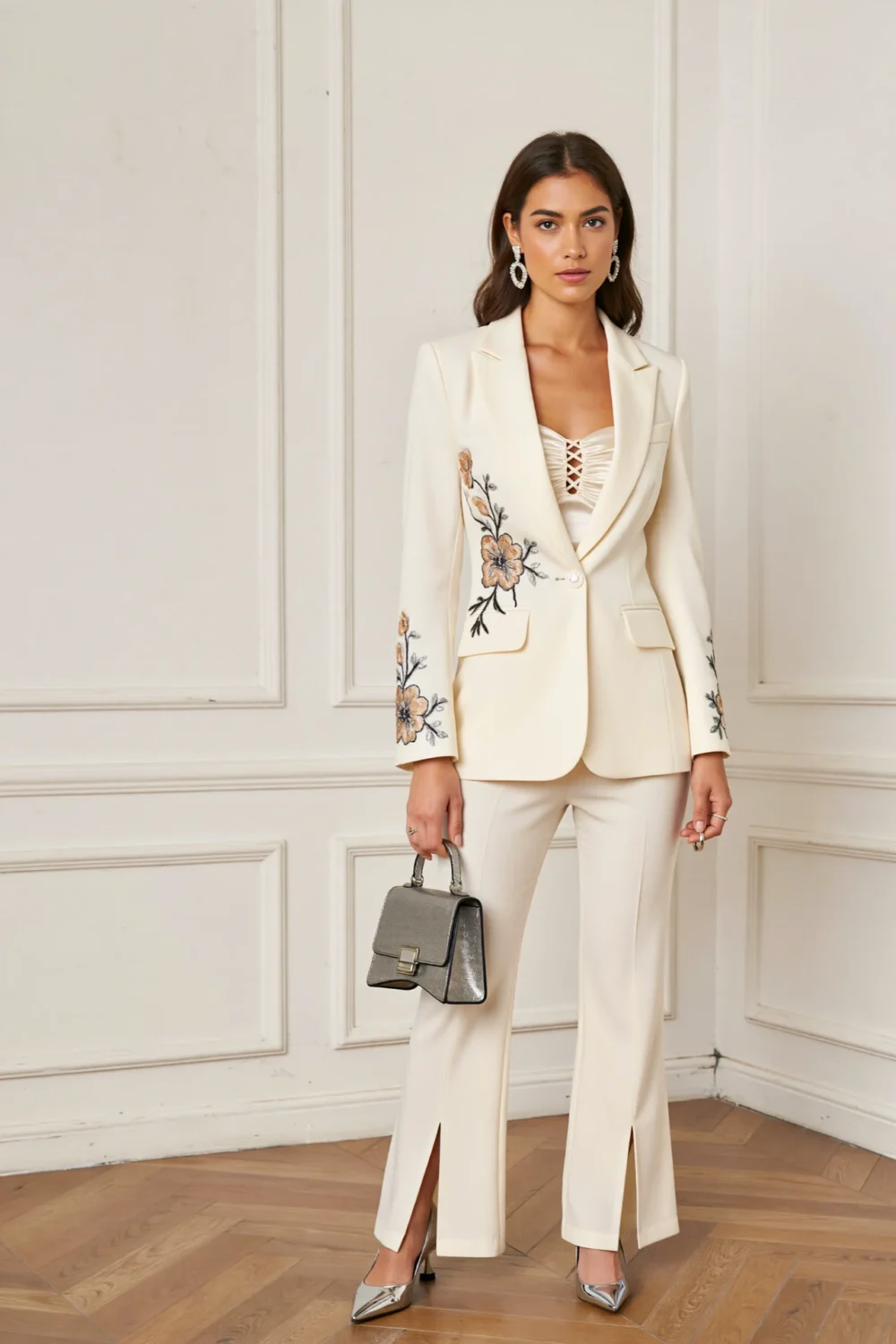
Browse all of our court outfit ideas for women for polished looks you can copy tonight.
Before the clerk calls your case, people have already read your outfit. That split second read shapes expectations about your credibility and focus.
In formal settings, first impressions set fast and stick. Research shows we judge competence and trust in seconds, and clothing is a big cue. In court, an intentional courtroom outfit signals respect for the process without saying a word.
- Neutrals and clean lines reduce distraction, keeping attention on your words.
- Modest coverage and a proper fit suggest discipline, care, and reliability.
- Polished shoes, neat hair, and subtle jewelry show preparation and respect.
This is not about hiding your style, it is about editing it. Choose a court outfit that feels like you on a quieter volume. Think structured pieces, muted color, and one refined detail. The result reads calm, capable, and cooperative, which is exactly what to wear in court when stakes feel high.
The Pillars of Polished Court Attire for Women
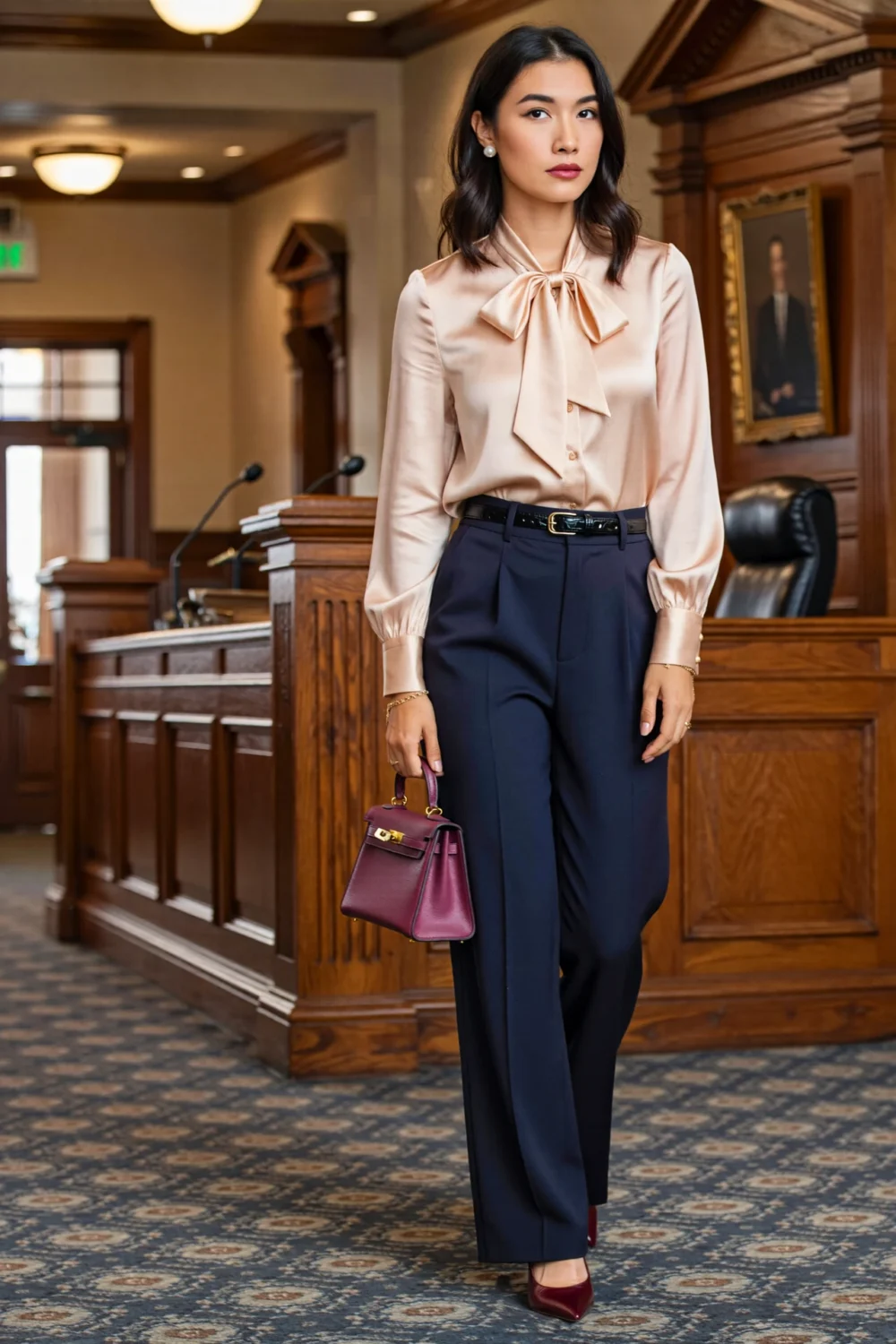
Browse all of our court outfit ideas for women for polished looks you can copy tonight.
Use these courtroom style guardrails to build a court outfit that works every time. Follow them and your look reads respectful and quietly confident.
Mastering the Color Palette
Neutrals do the heavy lifting. Choose navy, charcoal, soft gray, taupe, and muted earth tones for calm authority. Medium blue is a secret weapon because it feels trustworthy without looking severe. Black works best in matte fabrics, softened with texture or a cream blouse. Keep prints quiet: pinstripes, micro check, or subtle tweed. Skip loud shades, especially bright red or neon, which distract. Craving color? Try dusty blue or olive.
Fit, Fabric, and Modesty Rules
Fit is everything. Pieces should skim, not cling, and never gape when you sit or reach. Hemlines at the knee or longer, necklines near the collarbone, and covered shoulders read as appropriate court attire. Choose structured, wrinkle-resistant fabrics like wool blends, ponte, gabardine, crepe, or lined cotton. Test sit comfort and opacity in daylight. Wear a supportive bra and seamless underpinnings. Add a blazer or cardigan for temperature swings.
The “Job Interview at a Conservative Firm” Mindset
Use the mindset you would for a job interview at a conservative firm. Aim for quiet confidence, clean lines, and zero distractions so attention stays on your words. Limit statements to one refined detail, like a simple watch or studs. Keep fragrance minimal or skip it. Shoes polished, bag structured, phone silenced. Hair neat and makeup soft. If unsure, dress one notch more formal than you think. That margin reads prepared, respectful, and credible.
Signature Courtroom Ensembles: Chic & Court-Ready Looks
Ready for courtroom outfit ideas that feel modern, respectful, and quietly powerful? These no-fail looks answer what to wear to court as a woman without sacrificing comfort or personal polish.
The Power Pantsuit
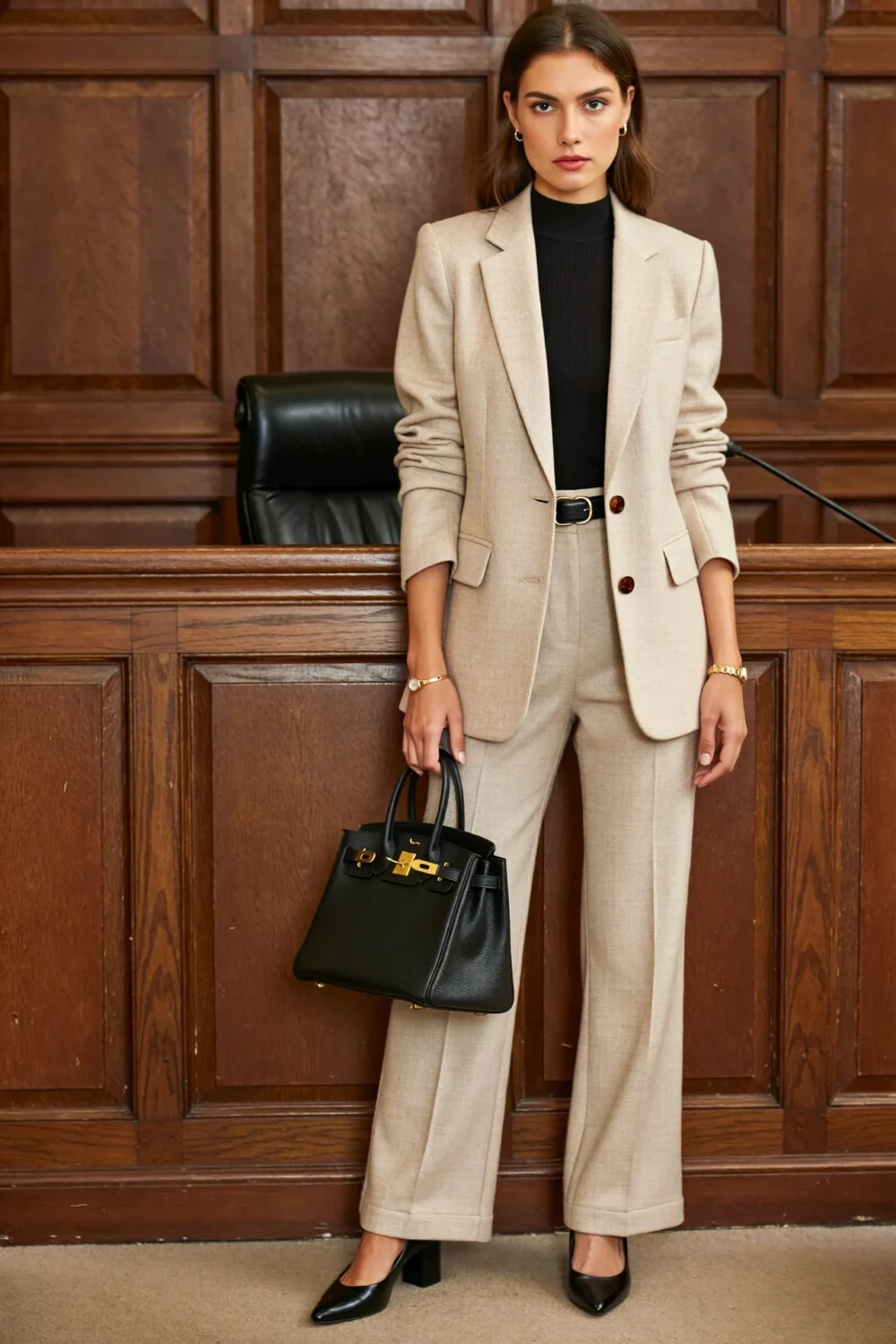
Browse all of our court outfit ideas for women for polished looks you can copy tonight.
Choose a navy or charcoal pantsuit with a crisp white, ivory, or soft blue blouse. Aim for a tailored blazer and straight or slightly tapered trousers that skim the body. Add closed-toe flats or a block heel up to two inches. Keep hardware minimal and matte. Try a silk shell, mock-neck knit, or fine crepe blouse. Finish with a slim belt, neat hair, and a structured tote.
The Elevated Skirt Suit or Sheath Dress
Pair a knee-length pencil skirt with a matching blazer, or choose a modest sheath and layer a blazer on top. Look for wool blends, ponte, or crepe that hold structure. Necklines near the collarbone and hemlines at the knee feel like appropriate court attire. Consider sheer or opaque hosiery for polish. Wear low pumps or sleek flats. Subtle pinstripes or micro-checks add interest without noise.
Blazer + Blouse + Tailored Trousers
A coordinating blazer over a breathable blouse and tailored trousers reads refined and approachable. Try tonal dressing, like soft gray trousers with a deeper gray blazer and a cream blouse. Fabrics such as twill, crepe, or gabardine resist wrinkles during long waits. Tuck in the blouse for a clean line and add a modest leather belt. Finish with pointed flats or loafers and tiny studs.
Midi Dress with Cardigan or Blazer
A midi dress in a solid or micro print offers femininity and focus. Choose an A-line or column silhouette with elbow-length or long sleeves. If sleeveless, add a cardigan or blazer to cover shoulders. Secure wrap styles to avoid shifting. Keep slits modest and movement-friendly. In cooler weather, add opaque tights and ankle boots with an almond toe. A delicate pendant is plenty.
Layered Smart-Casual for Lower-Stakes Appearances
For traffic court or brief administrative matters, elevated business-casual can work. Think dark trousers or pristine, non-ripped dark jeans only if local norms allow. Add a blouse or fine-gauge knit under a blazer. Choose loafers or ballet flats over sneakers. Keep colors muted and accessories simple. The vibe is tidy and respectful, never sloppy. When in doubt, upgrade to dress pants.
Quick Mix-and-Match Formulas
- Navy blazer + cream blouse + gray trousers
- Charcoal sheath + soft-blue blazer
- Fine-knit mock neck + camel blazer + black pants
- Micro-check skirt + ivory blouse + navy blazer
- Midi dress + structured cardigan + low pumps
- Dark jeans* + silk blouse + blazer (*only if clearly acceptable)
Accessories, Grooming & the Finishing Touches
These small choices seal the deal on appropriate court attire for any court hearing. Aim for quiet, clean, and functional.
Shoes That Walk the Walk
Choose closed-toe flats, low pumps, or sleek ankle boots in black, navy, taupe, or chocolate. Heels one to two inches read professional and stay stable. Rubber or textured soles help on marble floors. Skip platforms and sandals. Break them in, then polish. If weather turns, take foldable flats and keep salt off leather.
Jewelry, Hair & Makeup
Keep jewelry minimal: stud earrings, a simple pendant, and a classic watch. Avoid jangly bracelets or oversized hoops that draw eyes or make noise. Hair should stay off the face in a low bun, sleek pony, twist, or smooth waves. Makeup looks best fresh and neutral. Think even skin, soft brown liner, mascara, and a your-lips-but-better shade. Skip glitter, heavy contour, and strong fragrance.
Bags, Layers & Practical Polish
Carry a structured tote or medium satchel that fits documents, ID, and a slim folder. Keep logos subtle and the bag clean. Layer smart with a blazer, trench, or fine cardigan for chilly courtrooms. A neutral scarf is good insurance. Pack quiet essentials: tissues, mints, blotting papers, a pen, and a lint roller. Phone on silent. Sunglasses off your head before you enter.
What Absolutely Does Not Belong in the Courtroom
If your outfit could upstage your testimony, it belongs back in the closet. Consider this your quick list of what not to wear to court so your presence stays polished and professional.
Clothing to Avoid at All Costs
Court is not the gym, the club, or a beach day. Skip anything overly casual, revealing, or distracting so the focus stays on your words.
- Shorts or mini skirts
- Crop tops, cutouts, or plunging necklines
- Sheer, mesh, or bodycon pieces
- Tank tops, tube tops, bralettes as tops
- Ripped or distressed denim
- Leggings as pants or bike shorts
- Pajamas or loungewear
- Athletic wear and team jerseys
- Sequins or glitter-heavy looks
- Loud logos or novelty graphics
Colors, Patterns & Messages
Neutrals earn trust. Loud color and messaging can read as combative or flippant in a formal legal setting.
- Neons and highlighter hues
- Shiny metallics or high-gloss fabrics
- High-contrast stripes or bold animal prints
- Camouflage in casual cuts
- Slogans, political statements, or brand shout-outs
- Offensive images or profanity
- Oversized logos that dominate the outfit
- Head-to-toe bright red or electric pink
- Distracting color-blocking
- Reflective or holographic finishes
Footwear and Extras
Your court outfit should be quiet, steady, and comfortable to walk and wait in. Leave noisy, sky-high, or casual extras at home.
- Flip-flops, slides, or slippers
- Sneakers, unless medically necessary
- Open-toe sandals or platform heels
- Over-the-knee or thigh-high boots
- Hats or caps indoors, except religious or medical headwear
- Sunglasses on your head
- Jangly bangles, oversized hoops, or noisy layers
- Smartwatch notifications and phone sounds
- Heavy fragrance or glittery body products
- Gum chewing and visible earbuds
Adapting Your Style for Family Court, Traffic Court & Beyond
Court settings vary, but the sweet spot stays the same: respectful, neat, and slightly conservative. Adjust formality while keeping an elevated business-casual core.
Family court: Lead with empathy. Choose soft blues, gray, or taupe, a knit or blouse under a blazer or cardigan, knee-length skirt or trousers, and flats. Skip bold red and flashy accessories to keep the tone cooperative.
Traffic court: Often quicker, still serious. Wear tailored trousers or a modest dress with a blazer; dark, pristine jeans only if clearly acceptable. Clean, closed-toe shoes and a simple bag signal respect.
Small claims or landlord-tenant: Think calm problem-solver. A sheath with a cardigan, or a blouse with ankle-length trousers, plus a low heel or loafers.
Administrative hearings or mediation: Dress like a high-stakes office meeting. A knit shell, structured jacket, and wrinkle-resistant pants keep you polished through long waits.
Arraignments or more formal hearings: Step one notch up. A pantsuit or skirt suit in navy or charcoal is the safest answer.
Pack patience pieces: a light layer, lip balm, tissues, and a pen in a structured tote. Comfort counts, but decorum wins. When in doubt about what to wear for a court hearing, ask your attorney or check the courthouse website, then aim one degree more formal.
FAQs
Quick answers to the most Googled courtroom outfit questions for women. Think practical, polished, and stress-free so you can focus on what really matters.
Do judges care what you wear to court?
Yes. Your outfit signals respect, preparation, and seriousness before you speak. You do not need designer labels, but you do need clean, pressed, modest clothing that fits well and covers appropriately. Dress like you would for a conservative job interview and you will be fine.
What color do judges like to see in court?
Navy, soft blue, charcoal, medium gray, and muted earth tones project calm authority. A white or cream blouse brightens the face without stealing attention. Black works best in matte fabrics, softened with texture or a light top. Keep prints subtle and quiet.
What not to wear to a courthouse?
Skip anything revealing, casual, or flashy. That means shorts, crop tops, ripped denim, clubwear, athletic sets, hoodies, and graphic or slogan tees. Leave sequins, glitter, loud logos, and hats at home. Remove sunglasses indoors and keep fragrance minimal.
What colors are not allowed in court?
Courts rarely ban specific colors, but loud shades can undermine credibility. Avoid bright red, neons, metallics, and high-contrast prints. If a court has posted rules, follow them. When in doubt, choose neutrals like navy, gray, taupe, or soft blue.
What should a woman wear to appear in court?
Choose a tailored pantsuit, a knee-length sheath with a blazer, or a blouse with dress trousers. Stick to neutrals, modest necklines, and covered shoulders. Wear closed-toe flats or low heels, minimal jewelry, tidy hair, and understated makeup. Bring a structured tote.
What should a female wear to court?
Think modest, professional, and wrinkle-resistant. A blazer, refined blouse, and tailored pants or a knee-length dress are safe choices. Hemlines at or below the knee, sleeves or a layer for coverage, and neutral colors keep the focus on your words, not your wardrobe.
Can you wear colored hair to court?
Natural or subtle tones are the safest bet. If you already have bold fashion color, keep the style sleek, makeup neutral, and outfit very conservative to balance it. A neat ponytail or bun helps. If unsure, ask your attorney about local norms.
What colors look good in court?
Navy is universally flattering and reads trustworthy. Medium gray, charcoal, black in matte textures, soft blues, and muted earth tones like olive or taupe look polished. Pair with a light blouse to lift the face. Keep prints micro and unobtrusive.
What makes you look bad in court?
Poor fit, deep necklines, short hemlines, and sheer or clingy fabrics can distract and harm credibility. Wrinkles, scuffed shoes, noisy jewelry, and flashy logos also work against you. Strong perfume, heavy glitter, gum chewing, and phone sounds are quick credibility killers.
Are jeans okay to wear to court?
Sometimes, for lower-stakes settings like traffic court, if local norms allow. They must be dark, clean, non-ripped, and styled with a blazer and dress shoes. Distressed or very tight jeans are a no. When in doubt, choose tailored trousers.
What shoes to wear to court for females?
Closed-toe flats, loafers, or low block heels in leather or suede are ideal. Aim for 1 to 2 inches of heel, stable soles, and neutral colors like black, navy, or taupe. Avoid open-toe styles, platforms, and sneakers. Break in shoes ahead of time.
Can a female wear jeans to court?
Only if they are dark, pristine, and clearly acceptable for that courthouse. Elevate them with a blazer, a refined blouse, and polished loafers or flats. If you are unsure, opt for dress pants or a knee-length skirt instead.
Is there a dress code for attending court?
Most courts expect business professional or conservative business casual. Posted rules commonly ban hats, shorts, revealing tops, ripped clothing, and offensive graphics. Security can turn you away for noncompliance. Check your court’s website or ask your attorney, then dress one notch more formal.
Conclusion
Thoughtful, chic court attire lets you walk in steady and focus on what matters. Your outfit is not the story, it is the stage. Choose neutrals, clean lines, modest coverage, and comfortable, closed-toe shoes, and your presence reads calm and capable.
Not sure what to wear in court? Pick a pantsuit, a knee-length sheath with a blazer, or a blouse with tailored trousers. Keep jewelry quiet, hair neat, makeup soft, and your bag structured. For family court or traffic court, dial it to elevated business-casual without slipping into casual.
Avoid the obvious distractions and trust the fit and fabric to do the confidence work. The right court outfit supports you like a well-briefed ally. Looking the part is not vanity. It is strategy.
If this helped you decide what to wear to a court hearing, share it with a friend or bookmark it for later. You have got this, truly.
Leave a Reply