
Snow crunches beneath your boots, your breath sparkles in the cold air, and suddenly winter hiking feels like stepping into a storybook. If you’re wondering what to wear hiking in winter, this is the guide you need!
We will cover smart, cozy layers that keep you warm, dry, and looking effortlessly camera-ready.
Style should never cost you safety. We will talk moisture management, wind protection, traction, and visibility, all with a feminine flair. Think merino that wicks, boots that grip, and colors that pop against snow for both style and safety.
You will also get clever tweaks to make your winter hiking outfits feel current. Try color-blocked fleece, faux fur trims, or a monochrome palette from beanie to boots. Then head straight to hot chocolate without a wardrobe change.
Ready to master warm, stylish winter trailwear? Let’s flatter your shape, handle the weather, and bring serious wow to every frosty switchback.
Why Winter Hiking Demands a Fashion-Forward Approach
Winter trails ask more from your outfit. You need pieces that move with you, protect you, and still look polished in every snow-dusted selfie. That is why what to wear hiking in winter blends smart tech with style.
Athleisure has reshaped outdoor fashion, giving us sleek silhouettes with performance stretch. Sustainable fabrics make it chic to choose better, from merino bases to recycled shells. The result is women’s winter hiking gear that works hard and photographs beautifully.
The Impact of Weather on Your Wardrobe Choices
Cold, wind, and wet snow each change the dress code. Your outfit must adapt fast as the trail warms you up on climbs and cools you on ridgelines.
- Temperature swings: Choose breathable, moisture-wicking base layers to prevent chills from sweat. Zip-necks add instant venting.
- Wind: A windproof, lightweight shell protects core warmth without bulk. Look for adjustable hems and cuffs to seal drafts.
- Snow and sleet: Waterproof-breathable outer layers keep you dry while releasing heat. Taped seams and a generous hood are non-negotiable.
- Low light and glare: Opt for high-visibility accents and polarized sunglasses. Reflective details keep your look smart and safe.
Avoid the frozen fashion faux pas: cotton holds water, so swap it for merino or technical blends.
Balancing Functionality with Feminine Flair
Polish the practical with thoughtful details. Think metallic-accent zippers on a waterproof parka, a color-block fleece over a sleek merino set, or high-waisted insulated pants for a tailored fit.
Choose eco-chic materials, add a statement beanie, and you have trail-ready glam without sacrificing performance.
Mastering the Layering System: Stay Warm and Stylish
Think of layering like a red-carpet reveal for the trail. Three pieces, three jobs, one very chic result: stay dry, stay warm, and stay protected without losing your silhouette.
Base Layers: Your Skin’s Best Friend
Start with a moisture-wicking base that hugs the body. It pulls sweat away so you feel warm, not damp, when the wind picks up.
- Fabrics: Merino wool is the star. Choose lightweight to midweight for most winter hikes. Synthetic blends work well too. Silk blends feel luxe for low-sweat days under a solid shell.
- Fit: Close but comfy. Look for long hems, thumbholes, and a mock or zip-neck for easy venting on climbs.
- Bottoms: Pair with matching long johns or thermal leggings that do not sag. High-waist cuts keep snow drafts out.
- Intimates: Go for a wicking sports bra and briefs in merino or technical fabric. Skip cotton altogether to avoid chills.
- Style tip: Jewel tones, ribbed textures, or a subtle print make your base feel like a sleek set.
Mid Layers: Insulation with Elegance
Your mid layer traps heat and adds personality. Aim for warm, breathable, and easy to peel off when the sun appears.
- Fleece favorites: Grid fleece for active hikes, high-pile fleece for cozy stops. Half-zip styles let you fine-tune temperature.
- Elevated options: A thin merino or cashmere sweater can work under a shell. Keep it fitted and protected from wet weather.
- Synthetic puffies: Light insulated jackets or vests with breathable panels give warmth without bulk. Great for changeable forecasts.
- Shape matters: Choose hip-length or belted fleece to define your waist. Try animal prints or chic color-blocking for a fashion hit.
- Pro tip: Avoid heavy, loose knits that soak up moisture and add weight.
Outer Layers: Waterproof Wonders
Your outer layer is the glamour guard. It blocks wind and wet while letting heat escape, so you look polished and feel comfortable.
- Pick a waterproof-breathable shell or an insulated parka. Make sure seams are taped and the fabric sheds snow. A durable water repellent finish is a plus.
- Venting is vital. Look for pit zips, two-way zippers, and adjustable cuffs to dump heat on climbs.
- The hood should fit over a beanie, with a stiff brim and high collar. A drop hem that covers your seat keeps you warmer on breezy ridges.
- For stormy, active days: shell outside, slim puffy inside. For dry deep cold: a mid-thigh insulated parka is cozy and chic.
- Style details: Choose matte neutrals for sleek minimalism or a metallic finish for trail drama. Detachable faux fur trims add glam but remove in heavy snow. Cinchable waists keep shape without marshmallow vibes.
This is the heart of what to wear hiking in winter. Nail these layers and you will be toasty, breathable, and ready for every snowy photo op.
Bottoms That Blend Comfort and Couture
Your legs do the climbing, so give them technology and style in equal measure. Think high-waisted fits, smart fabrics, and silhouettes that move from summit to hot cocoa with zero outfit stress.
Pants: Durable and Daring
Skip denim. Snow and wind are its sworn enemies. Choose technical women’s hiking pants that block weather and flatter your shape.
- Softshell stars: Stretchy, fleece-backed, and water-repellent. Great for most cold, dry days.
- Hardshell heroes: Fully waterproof with sealed seams. Pull over a base layer when it is snowy or slushy.
- Light insulation: Synthetic-lined pants add warmth in deep cold. Vent zips prevent overheating on climbs.
Look for a high-rise waist to seal out drafts, plus belt loops or side tabs to tailor the fit. Articulated knees, a gusseted crotch, and a slight flare or boot-cut slip neatly over winter boots. Zip pockets keep your phone secure. In terms of fashion, try tonal color-blocking or rich neutrals that pair with any jacket. Function, meet flair.
Leggings and Tights: Sleek and Supportive
Thermal leggings are a winter MVP. They hug, they insulate, and they layer like a dream. Choose performance fabrics that wick and dry fast.
- Fabrics: Merino blends or brushed synthetics feel cozy and resist odor.
- Weight: Mid to heavyweight leggings keep warmth without bulk. Aim for squat-proof opacity.
- Wind panels: Front-thigh wind-blocking panels make a big comfort difference on blustery ridges.
- Waistband: High and wide for core warmth and a smooth line under layers.
Wear them solo on dry, cold days or under a waterproof shell in wet conditions. Add gaiters to keep snow out and protect that fashion-forward hem. Go glam with ribbed textures, subtle leopard, or high-shine finishes. You get a streamlined silhouette with real trail credibility.
Skirts and Dresses? A Bold Winter Twist
Yes, you can. An insulated hiking skirt over leggings adds warmth to hips and thighs without bulk. Pick a quilted, water-resistant style with a wrap or side zip for easy stride. Aim for mid-thigh length to move freely. Stick to tech fabrics, not tulle, unless you are truly trailblazing. It is cheeky, warm, and surprisingly functional for photo-ready winter miles.
Footwear: Stride in Style Through Snow
Your shoes set the tone for the whole outfit. Pick pairs that keep you warm, dry, and upright when the trail turns icy. Here is how to nail winter-ready style from boots to socks without missing a step.
Hiking Boots: The Ultimate Winter Warriors
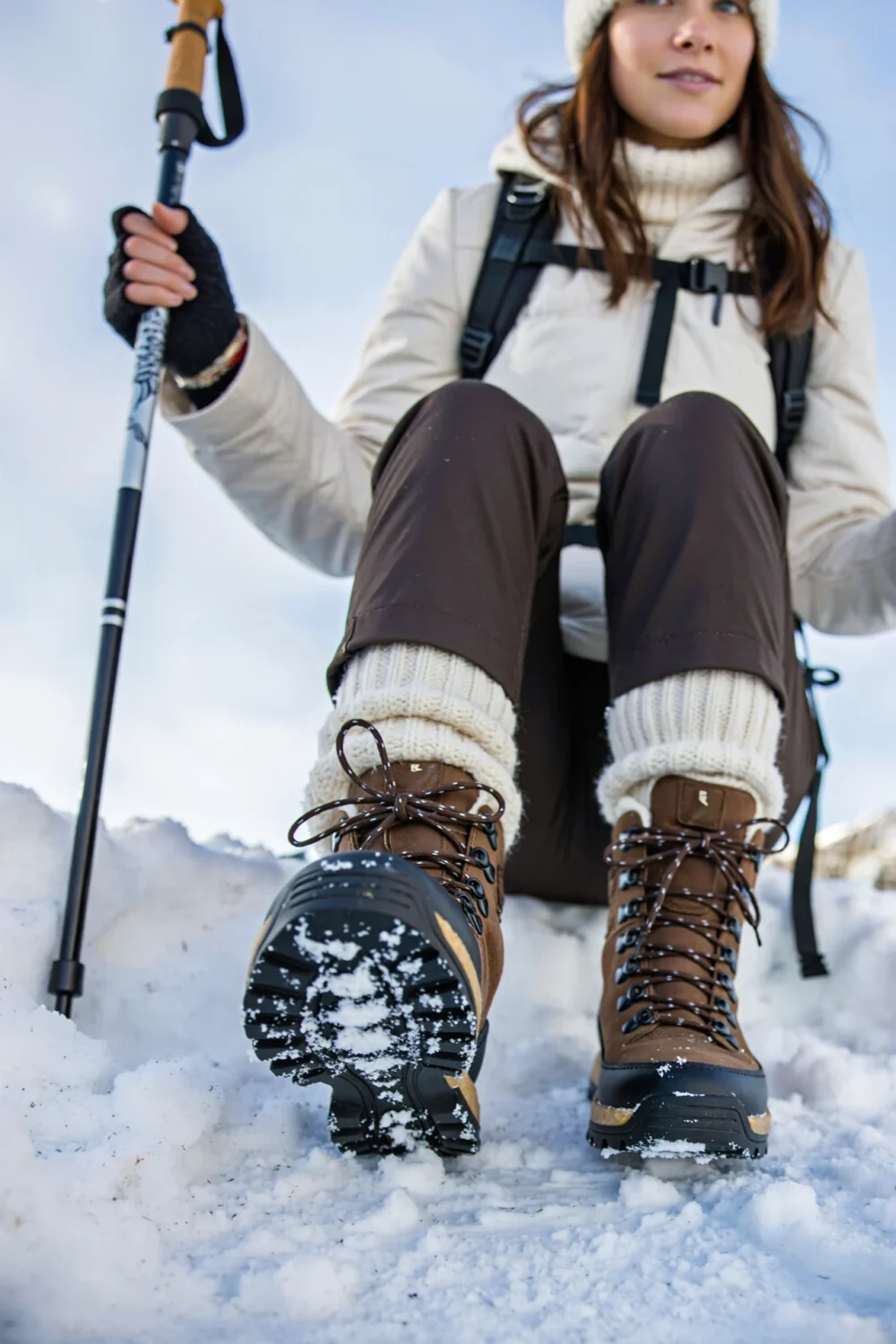
Think of winter hiking boots as couture armor. They look chic, they lock in warmth, and they mean business on slick trails.
- Go waterproof and breathable with sealed seams. Look for membranes like Gore-Tex or equivalent and uppers in leather or robust synthetics.
- Choose insulation that matches your climate. About 200 g is ideal for active hikes in moderate cold, while 400 g suits slower paces or very low temps.
- Prioritize traction. Deep lugs, winter-specific rubber that stays grippy in cold, and a defined heel keep you steady on packed snow.
- Aim for a mid to high shaft for ankle support and snow protection. A gusseted tongue blocks slush.
- Fit matters. You want toe wiggle room with thick socks but a locked-in heel to prevent blisters.
- Comfort features: a slight rocker for a smoother stride, cushioned midsoles, and protective toe rands.
- Style notes: color-blocked panels, tonal neutrals, or a refined pop of color. Faux fur collars and chic buckles are fun if they do not trap snow. Bonus if trims are removable.
- Safety add-on: bring microspikes for icy sections. Most hiking boots play well with them.
These are the heroes of what to wear hiking in winter. Warm feet, cute look, confident steps.
Alternative Shoes: When Boots Feel Too Bulky

Milder day and packed trails on the agenda? Try winterized trail runners or hybrid hikers. They are lighter, fast, and surprisingly stylish.
- Pick waterproof uppers with gusseted tongues and a sturdy toe cap. Pair with warm wool socks and mid or high gaiters.
- Traction is still key. Flexible soles work nicely with microspikes if you hit ice.
- Best for dry or lightly snowy routes and steady movement. Not ideal for deep snow or long, slow breaks.
- Fashion flair: sleek silhouettes with reflective accents, subtle metallics, or bold color pops. Think runway energy with mountain manners.
Socks and Gaiters: Unsung Heroes of Foot Fashion
Start with merino wool-blend socks in medium to heavy cushion. Crew or knee height keeps calves cozy, and a thin liner adds blister protection. Skip cotton completely. Add gaiters to seal the deal: high waterproof gaiters for deep snow, lighter softshell styles for slush. Fun prints or bold solids make every step picture-ready.
Accessories: The Glamorous Finishing Touches
Accessories are the sparkle in your snow globe. Here is how to accessorize what to wear hiking in winter so you stay warm, safe, and stylish.
Headwear: Hats and Beanies with Panache
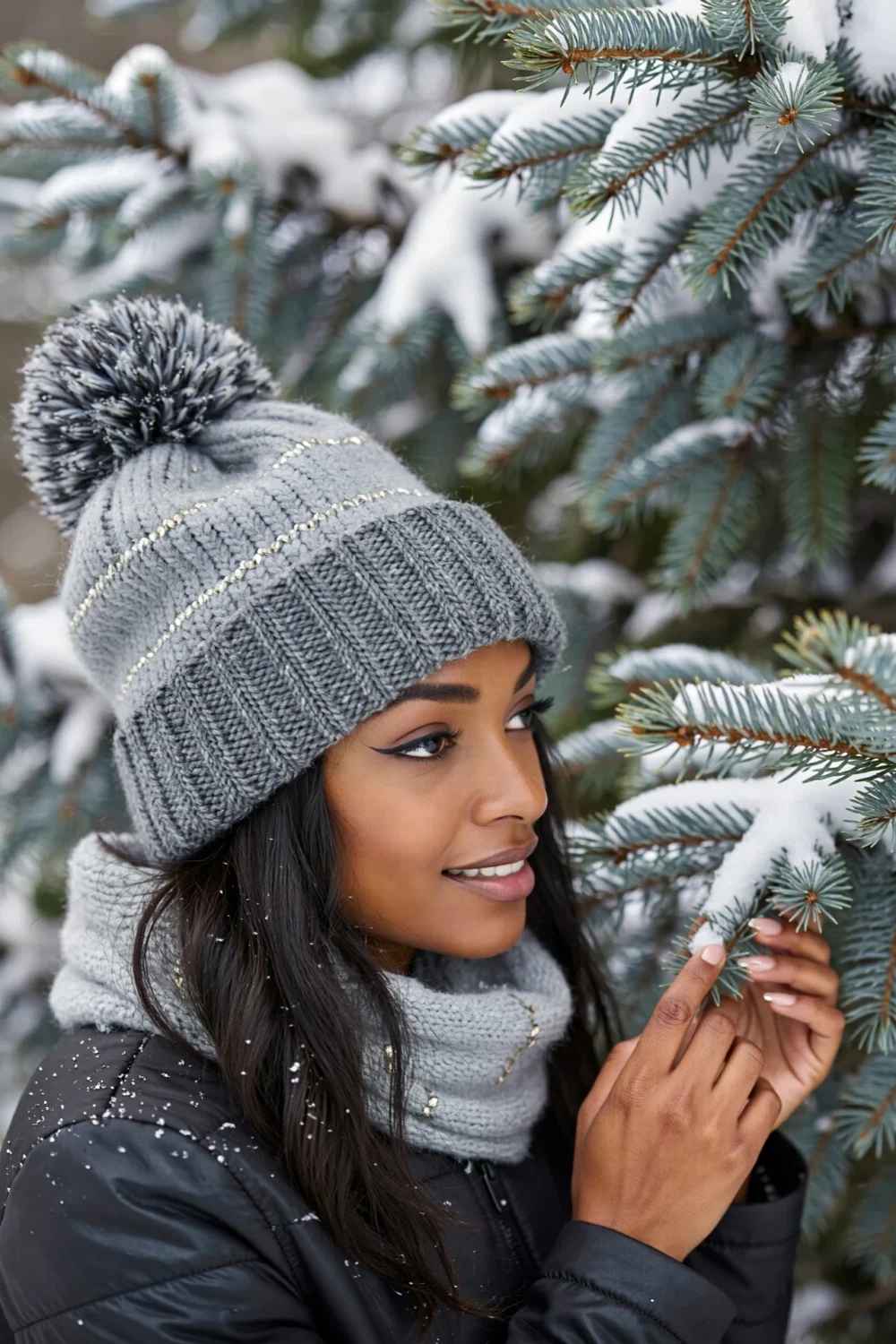
Warm ears, cute head. Choose double-layer merino or acrylic beanies with a soft fleece band. Pom-poms and metallic thread add personality without weight. Windy day? Add a slim fleece earband under your beanie or wear it solo on steep climbs. Bluebird conditions suit a crushable wool wide-brim, but only on calm trails and with a chin cord. For deep cold, bring a lightweight balaclava that disappears under a hood. Ponytail beanies keep hair tidy and help your hood sit right.
Gloves and Mittens: Hands-On Style
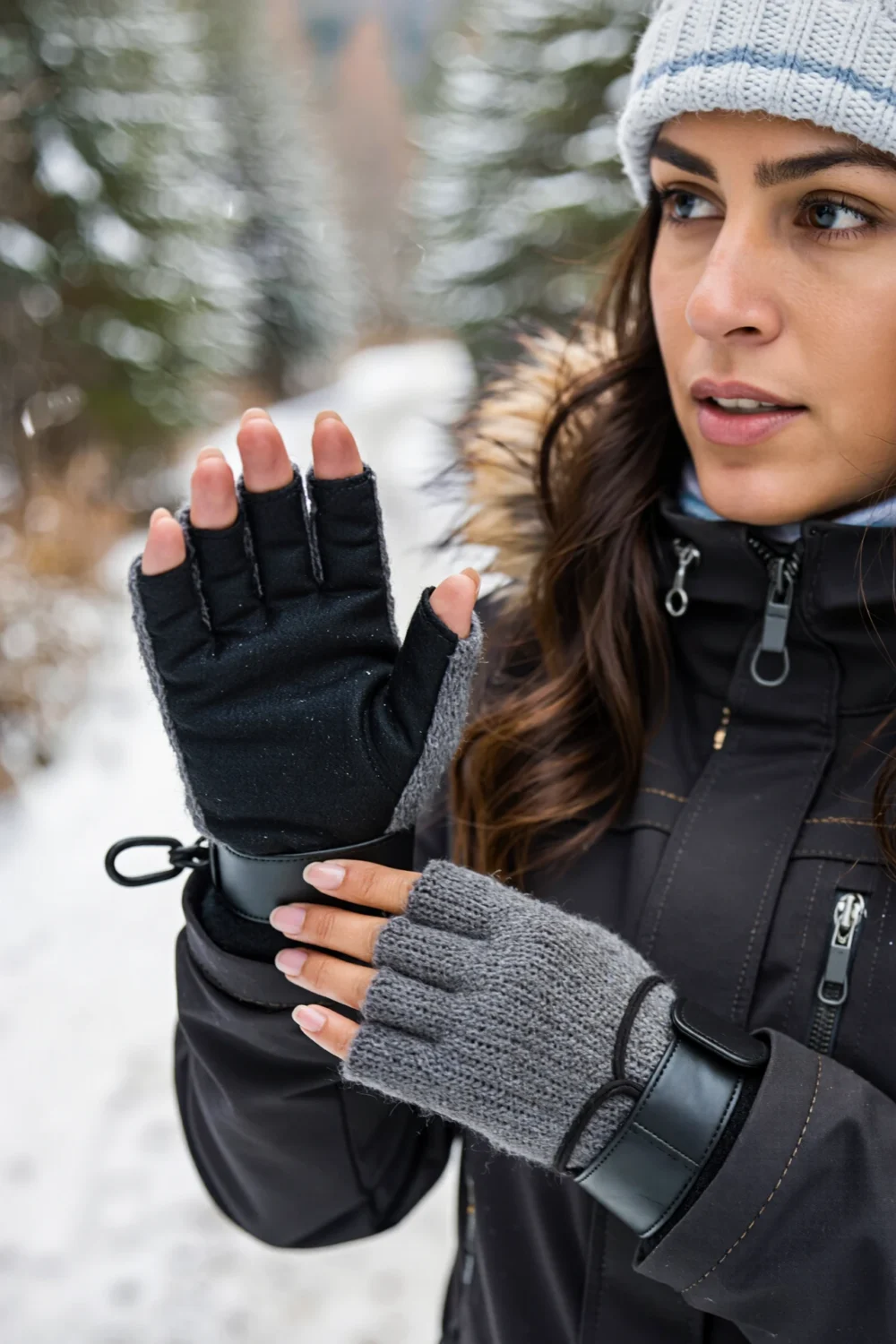
Cold fingers end hikes. Build a glove system. Start with touchscreen liner gloves, then layer insulated, waterproof shells. Mittens are warmer than gloves, while lobster styles split the difference for grip. Look for gauntlet cuffs that slide over your jacket and wrist leashes so you will not lose a pair to the powder. Slip in hand warmers for lunch breaks. Craving glam? Try faux fur cuffs or subtle sparkle, but keep trims removable and tuck cuffs inside sleeves to block snow.
Other Must-Haves: Sunglasses, Scarves, and Packs
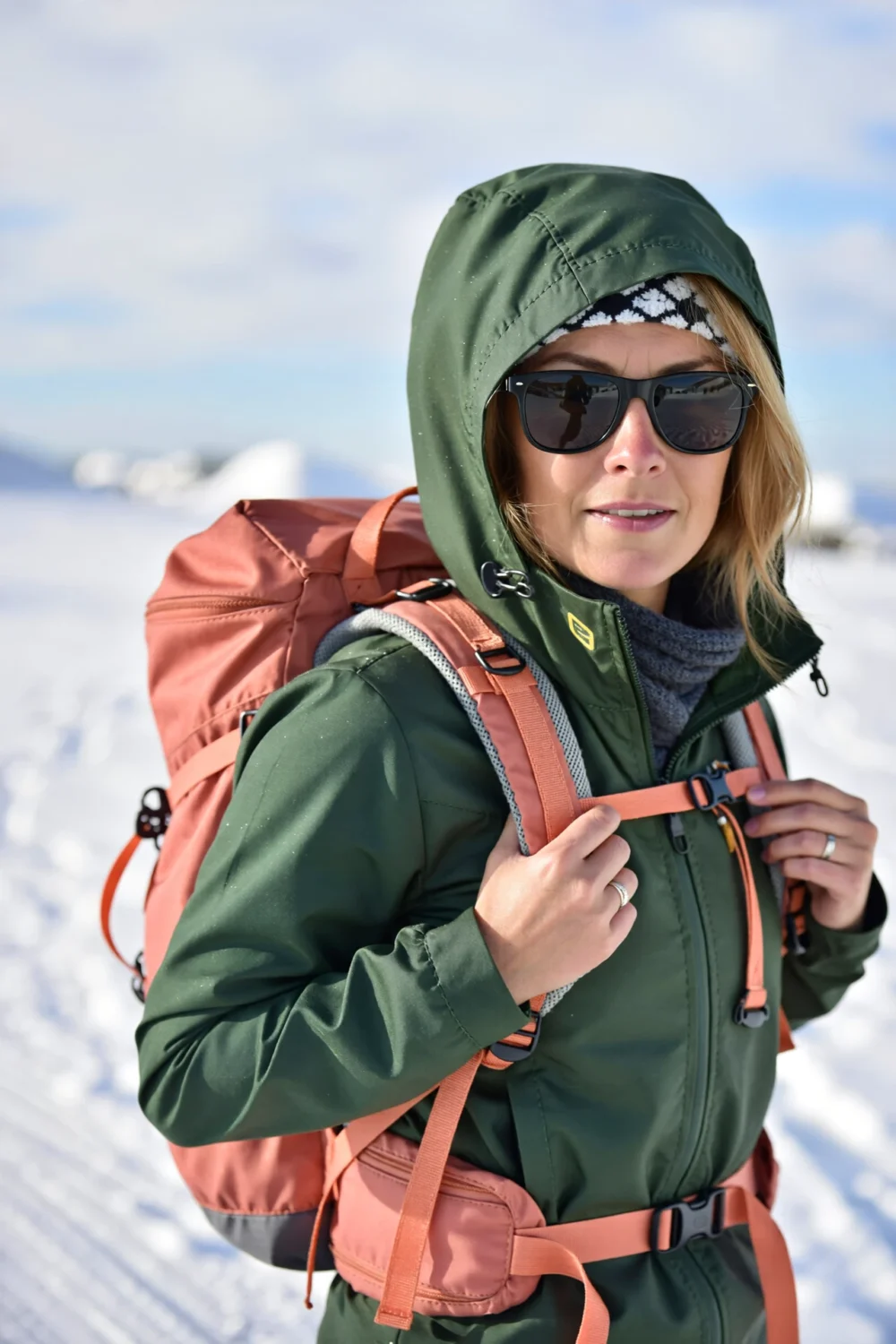
Snow glare is real. Pick polarized sunglasses with UV400 protection and wraparound coverage. On bright, high-altitude days, glacier sunnies with side shields or low-profile ski goggles earn their space. Swap trailing scarves for an infinity scarf or merino neck gaiter that tucks neatly into your collar. Oversized is chic in town, not on brushy trails. Finish with a stylish daypack, about 18 to 28 liters, with a padded hip belt, sternum strap, and rain cover. Choose a color that pops for visibility.
Trendy Winter Hiking Fashion Inspirations
When you think about what to wear hiking in winter, start with trend-led looks that still perform. These ideas feel runway inspired, but they are warm, practical, and trail tested.
Monochrome Magic for Effortless Elegance
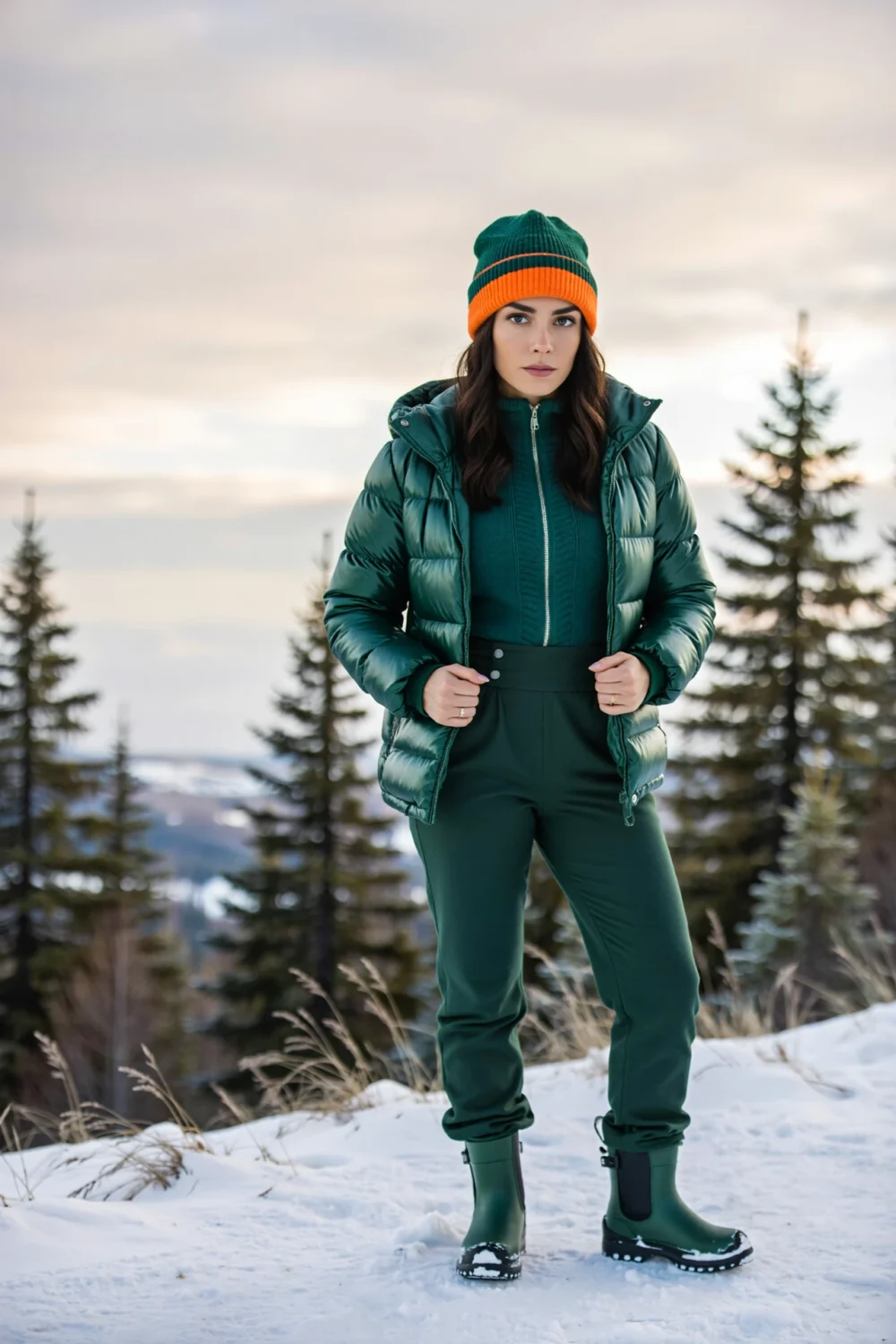
Build winter hiking outfits in one color family for instant polish. Try all white, creamy oatmeal, deep cocoa, or evergreen. Keep interest with texture mix and match like matte softshell pants, a glossy puffer, and a ribbed beanie.
Monochrome streamlines packing and flatters every figure. Add a safety pop like a bright beanie, reflective trims, or colorful gaiters so you never blend into the landscape. Snow queen energy, but make it practical.
Head over to our winter hiking outfit ideas post to see more than 20 cozy, stylish outfit ideas for winter hiking.
Sustainable and Glamorous Gear Choices
Eco-chic is more than a buzzword. Choose recycled polyester shells, PFC-free water repellent finishes, and responsibly sourced down or recycled insulation. Merino layers from verified non-mulesed sources feel luxe and resist odors.
Sustainable can still sparkle. Look for timeless neutrals with refined hardware so pieces mix across seasons and trips. Extend the life of winter hiking clothes for women with repairs, reproofing spray, and thoughtful layering rather than constant new buys.
Mixing High Fashion with Outdoor Essentials
Elevate cold weather hiking outfits with one statement piece at a time. Try a sleek belt bag worn crossbody under your pack straps, a patterned neck gaiter, or leather-look softshell pants with real stretch. Keep everything helmet and harness friendly.
Stick to the 80–20 rule. Make 80 percent pure performance, then add 20 percent personality. You look styled, stay warm, and your gear still works as hard as you do.
Common Pitfalls and How to Avoid Them
Even the chicest plan can unravel on a snowy switchback. Here is how to dodge the biggest mistakes in what to wear hiking in winter so you stay warm, safe, and stylish.
Fabrics to Skip for Frosty Adventures
- Cotton and denim cling to moisture and chill you fast. Think fashion frostbite for your whole outfit.
- Heavy wool sweaters without a shell get soggy in snow. Save them for cocoa, not climbs.
- Non-breathable raincoats create a personal sauna. Swap for waterproof breathable shells.
- Slouchy knits stretch out and snag. Choose fitted technical layers that keep shape and heat.
Color Choices: Blend In or Stand Out?
- All white in a whiteout disappears. Add a bold beanie or bright gaiters for contrast.
- Deep forest tones look luxe but can vanish in trees. Balance with reflective details or neon accents.
- Camo couture is cute until no one can see you. High visibility touches are smart and chic.
- Monochrome is elegant. Just mix textures and add one safety pop.
Overpacking vs. Underpreparing
- Pack versatile layers that stack: merino base, light puffy, waterproof shell. That trio works everywhere.
- Bring backups for small but crucial items like gloves and socks. One wet pair can end a hike.
- Choose packable pieces. A compressible puffy and neck gaiter weigh little, earn their keep.
- Limit statements to one item. Then add essentials like microspikes if trails might be icy.
Conclusion
You have got the glam, the grit, and the game plan. Now you know what to wear hiking in winter without sacrificing style, warmth, or safety. Think smart layers, chic silhouettes, and a few sparkle-worthy details that still work hard.
Quick checklist for trail-ready chic:
- Layering trio: merino or wicking base, insulating mid, waterproof breathable shell.
- Bottoms that move: high-waisted softshell or insulated pants, or thermal leggings under a shell. Add gaiters.
- Feet first: waterproof insulated boots, wool socks, and microspikes if it might be icy.
- Accessorize with purpose: beanie or brimmed hat, glove system, polarized sunglasses, and a neck gaiter. Add one bright pop for visibility.
- Style with sense: try monochrome or color-blocking, choose recycled or responsibly sourced fabrics, and keep the 80–20 performance-to-personality rule.
Own the trail, own the look. Snap a snowy selfie, share your chic winter hiking outfit, and inspire another woman to lace up and shine. Trail diva status, unlocked.
Browse more of our winter outfit inspirations here and active and fitness wear collections here!
FAQs
Quick answers to your biggest cold-weather style questions. Consider this your cheat sheet for what to wear hiking in winter.
What is the 3 layer rule for hiking?
Base wicks sweat, mid traps heat, outer blocks wind and wet. Adjust pieces as you warm or cool.
How to dress for hiking in 40 degree weather?
Wear a midweight base, light fleece or puffy, windproof shell, wool socks, beanie, gloves, and bring venting options.
How to dress for winter hiking?
Use the three-layer system, insulated pants or leggings under shells, waterproof boots, merino socks, hat, and layered gloves.
What shoes to wear for winter hiking?
Insulated, waterproof hiking boots with winter rubber and deep lugs. Leave toe room for wool socks; carry microspikes.
Do you need winter boots for hiking?
Not always. On dry, packed trails, waterproof shoes and gaiters work. Snow or deep cold calls for insulated boots.
Are jeans good for winter hiking?
No. Denim holds moisture, chills you, and restricts movement. Choose softshell pants or thermal leggings under a shell.
Is it better to hike in jeans or leggings?
Technical leggings win. They stretch, wick, and dry fast; add shell pants in wind or wet. Jeans lose in winter.
What not to wear for a hike?
Skip cotton layers, fashion boots, heavy wool without a shell, non-breathable raincoats, loose scarves, slick soles, snaggy jewelry.
What colors should you not wear hiking?
Avoid white on snowy days and dark camo in forests. Add bright or reflective accents for visibility and safety.
Can I use snow shoes for hiking?
Yes, for deep, unconsolidated snow. Wear winter boots, gaiters, and poles. Choose size based on weight and snow type.
Do I need a jacket for hiking?
Usually yes. Carry a waterproof shell on every trip and a packable insulated jacket for stops or sudden cold.
What’s better, hiking shoes or boots?
Depends on terrain and weather. Shoes are light for mild, dry trails. Boots add warmth, support, and snow protection.
Leave a Reply